
Our Services
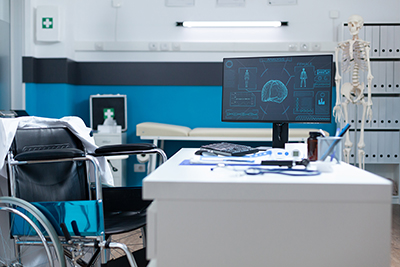
Pre-Employment Health Assessments
Pre-Employment Health Assessments are evaluations conducted to ensure that prospective employees are physically and mentally capable of performing their job duties safely and effectively. These assessments are crucial in identifying any potential health issues that might hinder an individual's ability to perform certain tasks, ensuring both the safety of the employee and the workplace. They also help employers comply with legal and regulatory requirements, which vary depending on the industry and the specific role.
The assessments typically include a review of the applicant's medical history, physical examinations, and specific tests relevant to the job. For instance, a role that involves heavy lifting might require tests of physical strength and endurance, while a job that involves prolonged computer use might include an eye examination. Mental health assessments may also be part of the process, particularly for roles that involve high levels of stress or decision-making responsibilities.
Moreover, Pre-Employment Health Assessments can include drug and alcohol screenings to ensure that candidates do not have substance abuse issues that could impact their work performance or safety. These assessments can be tailored to meet the specific needs of the employer, based on the demands of the job and the working environment. By conducting thorough health assessments before employment, companies can reduce the risk of workplace injuries and illnesses, promote a healthy workforce, and ultimately enhance productivity.
In addition to protecting the health and safety of employees, Pre-Employment Health Assessments can also have financial benefits for employers. By identifying health issues early, employers can potentially reduce the costs associated with workplace accidents, absenteeism, and turnover. Furthermore, these assessments can help in creating a more supportive and accommodating work environment, by identifying any reasonable adjustments that may be necessary to support employees with existing health conditions.

Health Surveillance
Health Surveillance involves the regular and systematic collection, analysis, and interpretation of health-related data to monitor the well-being of a population or specific group. This practice is particularly important in workplaces to ensure the health and safety of employees who may be exposed to specific hazards, such as chemicals, noise, or other occupational risks. By continuously monitoring these factors, organizations can identify trends, detect potential health issues early, and implement measures to mitigate risks.
In an occupational setting, Health Surveillance may include periodic medical examinations, biological monitoring, and health questionnaires. These assessments help in identifying any adverse health effects caused by workplace exposures before they become serious. For example, regular hearing tests for workers in noisy environments can detect early signs of hearing loss, enabling timely interventions to prevent further damage. Similarly, lung function tests can be conducted for workers exposed to respiratory hazards, ensuring that any issues are identified and addressed promptly.
The data collected through Health Surveillance not only aids in protecting individual employees but also helps organizations in evaluating the effectiveness of their health and safety measures. It allows employers to make informed decisions about improving workplace practices, updating safety protocols, and providing necessary training to reduce risks. Additionally, Health Surveillance supports compliance with legal and regulatory requirements, demonstrating an organization's commitment to maintaining a safe and healthy working environment. By prioritizing Health Surveillance, employers can foster a culture of health and safety, ultimately enhancing overall productivity and employee well-being.

Wellness Programs
Workplace Wellness Programs are initiatives designed to support and promote the health and well-being of employees. These programs often encompass a variety of activities and resources aimed at improving physical, mental, and emotional health. Examples include fitness challenges, on-site health screenings, stress management workshops, mental health support, nutrition advice, and smoking cessation programs. By addressing various aspects of health, these programs aim to create a healthier, happier, and more productive workforce.
Incorporating Wellness Programs in the workplace can lead to numerous benefits for both employees and employers. For employees, access to health and wellness resources can lead to improved physical health, reduced stress levels, and better work-life balance. These programs can also foster a sense of community and support within the workplace, enhancing job satisfaction and overall morale. Employers, on the other hand, can benefit from reduced absenteeism, lower healthcare costs, and increased productivity. A healthier workforce is often more engaged and motivated, which can contribute to the overall success of the organization.
Moreover, Workplace Wellness Programs can play a significant role in attracting and retaining talent. In today's competitive job market, offering comprehensive wellness initiatives can differentiate an organization from its competitors. Employees increasingly value employers who prioritize their well-being, and a strong wellness program can be a key factor in their decision to join or stay with a company. By investing in the health and wellness of their employees, organizations not only demonstrate their commitment to their workforce but also build a positive and supportive work environment that can drive long-term success.

Return-to-Work Programs
Return-to-Work Programs are structured initiatives designed to help employees transition back to the workplace after an absence due to illness, injury, or other personal reasons. These programs aim to provide a supportive and accommodating environment, ensuring that employees can resume their duties in a manner that takes their health and well-being into consideration. Key components of these programs may include a gradual return to work, modified job duties, and ongoing medical support or rehabilitation services. By tailoring the return process to individual needs, these programs help employees regain confidence and productivity while minimizing the risk of re-injury or relapse.
For employers, Return-to-Work Programs offer several benefits, including reduced costs associated with long-term absences, enhanced employee retention, and improved workplace morale. By demonstrating a commitment to employee well-being, organizations can foster a culture of support and inclusivity, which can have a positive impact on overall job satisfaction and loyalty. Additionally, these programs can help employers comply with legal and regulatory requirements related to workplace accommodations and disability rights. Ultimately, a well-implemented Return-to-Work Program can create a win-win situation, where employees feel valued and supported, and employers maintain a healthier, more productive workforce.

Workplace Risk Assessments
Workplace Risk Assessments are systematic processes used to identify, evaluate, and control potential hazards in the workplace. These assessments aim to ensure the safety and well-being of employees by proactively addressing risks before they result in accidents or injuries. The process typically involves several steps: identifying potential hazards, assessing the likelihood and severity of these hazards, determining who may be affected, and implementing measures to mitigate or eliminate the risks. By thoroughly examining the workplace environment and job tasks, employers can create a safer and more compliant working environment
The first step in a Workplace Risk Assessment is hazard identification. This involves inspecting the workplace, reviewing work processes, and consulting with employees to identify any potential sources of harm. Hazards can range from physical dangers such as machinery and electrical equipment to ergonomic issues like repetitive strain injuries and psychosocial factors such as stress. Once hazards are identified, the next step is to assess the risk associated with each hazard. This involves evaluating the likelihood of the hazard causing harm and the potential severity of the outcome. The assessment helps prioritize which risks need immediate attention and which can be monitored over time.
Once the risks are assessed, employers must determine appropriate control measures to mitigate or eliminate the hazards. This can include implementing engineering controls, providing personal protective equipment, modifying work practices, and offering training and education to employees. Regular monitoring and review of the risk assessment process are essential to ensure that control measures remain effective and that new hazards are promptly addressed. By conducting Workplace Risk Assessments, organizations can not only protect their employees but also comply with legal and regulatory requirements, ultimately fostering a culture of safety and responsibility.

Mental Health Support
Mental Health Support in the workplace involves creating an environment where employees feel safe, valued, and supported in managing their mental well-being. This support can take many forms, including providing access to counseling services, implementing mental health awareness programs, and promoting a culture of openness where employees can discuss their mental health without fear of stigma. Additionally, workplaces can offer resources such as stress management workshops, resilience training, and wellness programs that address various aspects of mental health. Ensuring that managers and HR professionals are trained to recognize and respond to mental health issues is also crucial in creating a supportive environment.
Furthermore, Mental Health Support in the workplace includes policies and practices that promote work-life balance and prevent burnout. This might involve flexible working hours, remote work options, and reasonable adjustments for employees experiencing mental health challenges. Encouraging regular breaks, fostering social connections among employees, and providing opportunities for professional growth can also contribute to a healthier work environment. By prioritizing mental health, organizations can enhance employee well-being, increase productivity, and reduce absenteeism, ultimately benefiting both the employees and the company as a whole.

Workplace Ergonomics
Workplace Ergonomics involves designing workspaces and tasks to fit the physical needs and capabilities of employees, aiming to enhance comfort, efficiency, and safety. It encompasses the arrangement of workstations, the selection of tools and equipment, and the design of job tasks to minimize strain and injury. Proper ergonomic practices help reduce the risk of musculoskeletal disorders, such as back pain, carpal tunnel syndrome, and repetitive strain injuries. By adapting the work environment to the worker, organizations can create a more comfortable and productive setting that promotes overall well-being.
Implementing Workplace Ergonomics can include adjusting desk heights, providing ergonomic chairs, ensuring proper lighting, and encouraging regular breaks to prevent prolonged periods of static posture. Training employees on correct posture and equipment use is also a critical aspect of ergonomics. Effective ergonomic interventions not only improve physical health but can also enhance job satisfaction and performance. By prioritizing ergonomics, employers demonstrate their commitment to the health and safety of their workforce, which can lead to increased employee morale and reduced absenteeism.
Infection Control & Immunizations
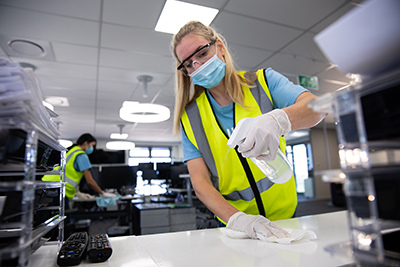
Workplace Infection Control & Immunizations involve strategies and practices aimed at preventing the spread of infectious diseases within a workplace setting. This is particularly important in environments where employees are in close contact with each other or with the public. Infection control measures may include promoting good hygiene practices, such as regular handwashing, sanitizing work surfaces, and using personal protective equipment (PPE) like masks and gloves. Employers may also implement policies for sick leave and remote work to minimize the risk of contagion when employees are ill. Regular cleaning and disinfection of common areas, as well as providing access to hand sanitizers and disinfectant wipes, are also key components of infection control.
Immunizations play a critical role in workplace infection control by protecting employees from vaccine-preventable diseases. Employers may offer on-site vaccination clinics or provide resources and incentives for employees to receive vaccinations, such as flu shots. Vaccinations not only protect the individual employees but also contribute to herd immunity, reducing the overall risk of outbreaks within the workplace. By prioritizing infection control and immunizations, organizations can safeguard the health of their workforce, maintain productivity, and demonstrate a commitment to creating a safe and healthy work environment. These measures are essential in promoting public health and preventing disruptions that can arise from widespread illness.

Fit for Work Assessments
Fit for Work Assessments are evaluations conducted to determine whether an individual is physically and mentally capable of performing the specific duties required by their job. These assessments are essential in ensuring that employees can safely carry out their tasks without posing risks to themselves or others. They typically involve a comprehensive review of the individual's medical history, physical examinations, and sometimes specialized tests tailored to the job's demands. For example, a construction worker might undergo assessments focused on physical strength and stamina, while an office worker might be evaluated for ergonomic suitability and potential repetitive strain injuries.
In addition to assessing the physical capabilities of employees, Fit for Work Assessments also consider mental health and well-being. This is particularly important for roles that involve high stress, decision-making, or safety-critical tasks. By identifying any health issues that could impact an employee's ability to perform their job effectively, these assessments help in making informed decisions about accommodations, modifications, or even temporary reassignments if necessary. Ultimately, Fit for Work Assessments contribute to a safer and more productive workplace by ensuring that all employees are well-equipped to meet the demands of their roles.

SAMSA Accredited Maritime Medicine Medical Provider
As a SAMSA (South African Maritime Safety Authority) accredited Maritime Medicine medical provider, we specialize in conducting comprehensive medical examinations for seafarers, ensuring they meet the health and fitness standards required to work safely at sea. Our examinations cover pre-employment and periodic medicals for crew members, addressing physical fitness, vision, hearing, cardiovascular health, and overall fitness for duty in line with recognised maritime health standards.
We are proud to be contracted to a number of cruise liners, providing reliable and professional maritime medical assessments for their crew, and our presence in this field is growing every day. Whether you are a shipping company, cruise operator, or individual seafarer, we are committed to delivering accurate, efficient, and professional medical evaluations that keep your crew fit for duty and compliant with maritime requirements.